
Judge Sannes Rules Wrongfully Convicted Prisoner, Nicholas Zimmerman Has Provided Sufficient Evidence That DOCCS Commissioner, Daniel Martuscello Separated Him From His Wife and Kids In Retaliation
- Kreame Social
- 2 days ago
- 3 min read
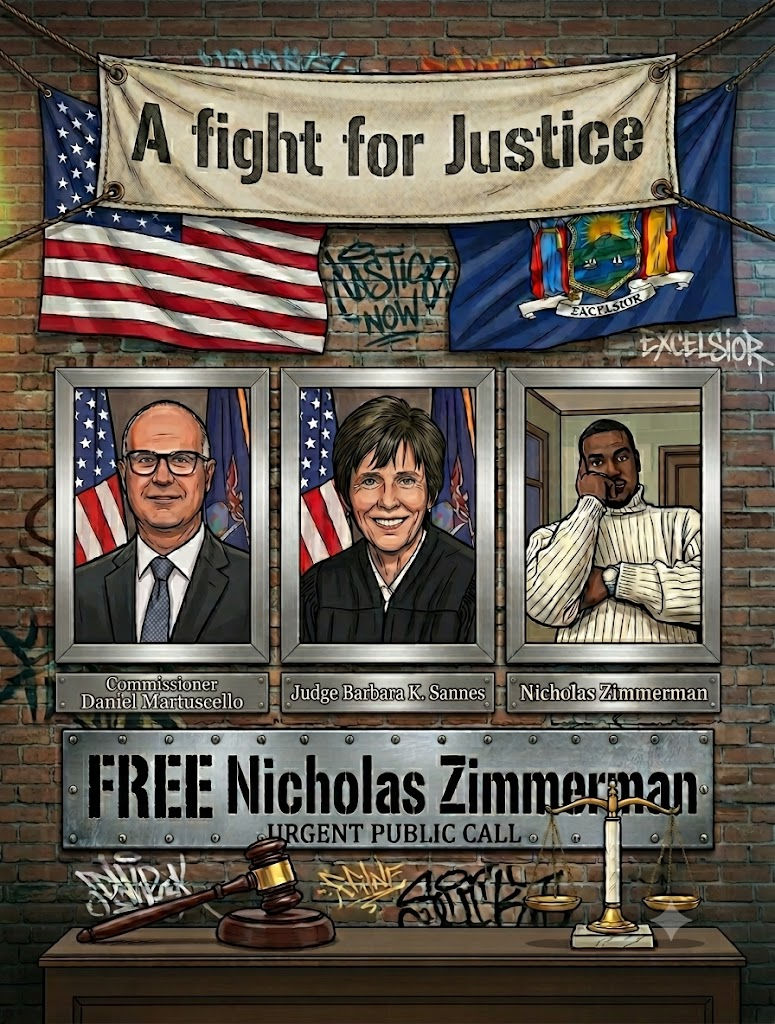
Judge Sannes Rules Wrongfully Convicted Prisoner, Nicholas Zimmerman Has Provided Sufficient Evidence That DOCCS Commissioner, Daniel Martuscello Separated Him From His Wife and Kids In Retaliation For His Podcast! A KREAMESocial Exclusive Report!By: KREAMESocial Investigative Desk | June 8, 2026In a groundbreaking legal development, Chief U.S. District Judge Brenda K. Sannes of the Northern District of New York Federal Court has handed down a monumental ruling in the ongoing civil rights litigation of Zimmerman v. Captain E.J. Meyers. The court has officially determined that wrongfully convicted prisoner Nicholas Zimmerman has presented sufficient evidence to move forward with his First Amendment retaliation claims against top New York state officials.At the explosive center of this litigation are shocking allegations that New York State Department of Corrections and Community Supervision (DOCCS) Commissioner Daniel Martuscello personally spearheaded and orchestrated a targeted campaign of retaliation against Zimmerman, utilizing his penal power to sever the inmate's vital familial bonds.[ Visual: A courtroom sketch capturing Chief Judge Brenda K. Sannes presiding at the federal bench, with inset photos of DOCCS Commissioner Daniel Martuscello and Plaintiff Nicholas Zimmerman.]The Anatomy of the Suit: A Battle Over Free Speech and FamilyZimmerman, whose underlying wrongful conviction remains a heavy focal point, utilized his time in custody to launch a hard-hitting, independent podcast detailing the realities and systemic breakdowns of the American carceral system. His broadcasts directly critiqued the administrative and operational practices within the state’s prison apparatus—specifically focusing on the New York prison system’s heavily scrutinized administrative and disciplinary infrastructure.According to explosive details outlined in the Justia Law case files for Zimmerman et al v. Meyers et al, Zimmerman’s podcast quickly caught the attention of agency brass. Rather than addressing the systemic critiques, Zimmerman alleges that DOCCS higher-ups, led directly by Commissioner Martuscello, opted for systemic intimidation.The most agonizing component of Zimmerman’s lawsuit alleges that DOCCS officials systematically relocated him across different facilities, intentionally pulling him further and further away from his wife and children. Advocates and legal analysts have long criticized the emotional and psychological toll that moving incarcerated individuals hundreds of miles away takes on young families—a toll that Zimmerman asserts was weaponized against him simply for exercising his constitutional right to free speech.Chief Judge Sannes Declares Evidence "Sufficient"Defendants in the suit, including Captain E.J. Meyers and Commissioner Martuscello, had sought to have the case thrown out, arguing administrative immunity and a lack of substantive proof of retaliatory intent.However, in a major defeat for DOCCS legal representation, Chief Judge Sannes reviewed the filings and ruled that Zimmerman's amended complaint—documenting exact dates, facility transfer records, and alleged statements by prison staff—clears the legal threshold required to proceed to trial.By pushing the case past summary dismissal, Judge Sannes acknowledged that Zimmerman has provided enough factual evidence to suggest that the separation from his family was not an ordinary logistical or operational decision within the prison system, but rather an unconstitutional act of retaliation. The court's greenlighting of the amended complaint paves the way for the discovery phase, where Zimmerman's legal team is expected to subpoena internal DOCCS memos, transfer orders, and internal agency emails.[ Visual: An infographic illustrating the timeline of Zimmerman's transfers across various NYS correctional facilities and the escalating challenges his family faced in maintaining visits.]The Commissioner Under FireThis legal clash comes at an incredibly volatile time for Commissioner Martuscello and the overarching DOCCS infrastructure. The agency has been beleaguered by intense public scrutiny in recent years, spanning from highly publicized New York Focus investigations into the inner workings of the "Martuscello family prison dynasty", to New York Civil Liberties Union lawsuits concerning the infringement of the First Amendment rights of incarcerated individuals.For Zimmerman, the fight is profoundly personal. The First Amendment is designed to protect citizens, including those incarcerated, from government officials retaliating against them for expressing controversial views or speaking truth to power. If Zimmerman successfully proves at trial that Martuscello and his subordinates intentionally moved him away from his family to punish him for airing out the grievances of the prison system via his podcast, it could set a massive legal precedent for the rights of incarcerated journalists and podcasters across the United States.What's Next?With the amended complaint officially accepted into the active docket of the Northern District, all eyes are on the federal court as the involved parties gear up for intense pre-trial depositions and evidence sharing. KREAMESocial will continue to monitor the docket for forthcoming scheduling orders and motions.Does this story leave you wanting to know more?If you are following this developing federal case, let me know:Would you like an in-depth breakdown of the legal precedents for First Amendment rights behind bars?Are you interested in a timeline of the specific New York correctional facilities Zimmerman was transferred between?Would you like to read more about the ongoing legislative hearings surrounding DOCCS administration?Let me know how you'd like to continue exploring this exclusive report!

Comments